
Things I Found
The downsides of optimization, and a handful of links worth wandering through.

Hello from Austin,
I hope everyone has finished their holiday shopping and is preparing to slow down over the next couple of weeks.
For many years, this was the most harrowing time of year for me. It was a sprint to finish out the year, cram planning for the next one into a short window, and somehow squeeze in everything outside of work. Looking back, I rarely had time for a Christmas happy hour or enough energy to make it through a full holiday movie after work.
That changed when we had our son and I started to take control of my work schedule. I am in a much more relaxed state these days, and because of that, I notice the stress in others more sharply. Drivers are more impatient, school drop-offs in the mornings are harried, and you can see it all in the bags under people’s eyes.
Because “working hard” has been central to my self-identity since I was young, I used to feel like I needed to earn my breaks. This often led me to work myself to exhaustion right up until my first day off. Consequently, I framed taking a break as important because I needed the rest… so I could be more effective at work when I returned (crazy… I know).
This holiday season, I hope everyone takes the chance to truly unplug and find leisure and joy—not so we can come back rearing and ready to go on January 2nd, but because life is too short not to enjoy idle moments, small hobbies, pastimes, and traditions. This is the time of year to do something for the pure joy of it, not because of the outcome.
This reminds me of a moment in late 2018, when I was poking around San Francisco looking for the next stage in my career. Cindy and I had just spent 18 months traveling around the world, and I was ready to “get back to it,” so I started meeting with startup founders. One co-founder asked what I’d been up to over the past year or so. I told him I’d been exploring the world.
His next question bewildered me.
He asked what I was “optimizing for” during my time off. I told him I was optimizing for not optimizing anything. He seemed confused—shocked, even. I declined a second interview.
Yes, time is precious. We should “make the most of it.” And for that very reason, we can’t treat it like a resource that must always be planned, measured, and invested. Can we give ourselves the freedom to not pre-determine everything?
If we always decide exactly what we want to happen and map out the steps to get there, we narrow our lives. When we choose one specific path, we rule out countless others. This can be good in some aspects of life, but debilitating if applied to all. Breaks should allow us to meander through time, not work through a “best Christmas ever” checklist.
When you narrow your life to a checklist, how much do you limit it? Do you lose the ability to experience the world with curiosity, wonder, and openness?
Lately, respecting my limited days on earth has looked less like managing or optimizing them, and more like simply living them.
With that spirit, here’s a dump of links I bookmarked recently. There’s no cohesive point—just hoping one or two spark your curiosity.
Did you grow up in 80s? Do you miss the design of the old school Weather Channel on Cable TV? Here you go
A real-time collection of 1,000+ livestreams of places across the world. Krakow Square, a Robotic factory in China, Rialto Bridge in Venice, A panda enclosure. etc.
A BBC Special from 1976 where an old Scotsman bikes over a mountain to visit a friend, with regular whiskey breaks.
A enjoyable new indie-pop album called Holo Boy, from the artist known as This is Lorelai. just released so it won’t be on any year-end lists. Apple Music, Spotify
A quote from Ryan Holiday.
“Be quiet, work hard, and stay healthy. It’s not ambition or skill that is going to set you apart but sanity.”
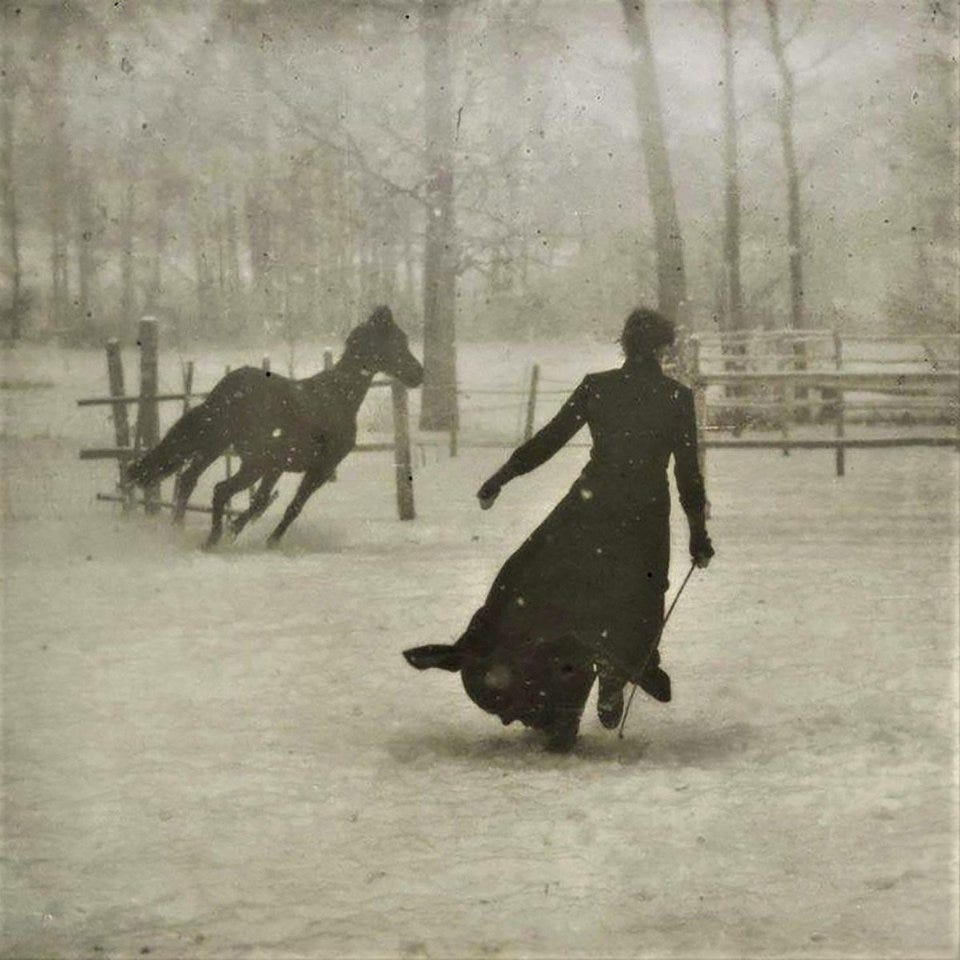
A photograph by Félix Thiollier (c. 1899)
And I’ll leave you with a short story.
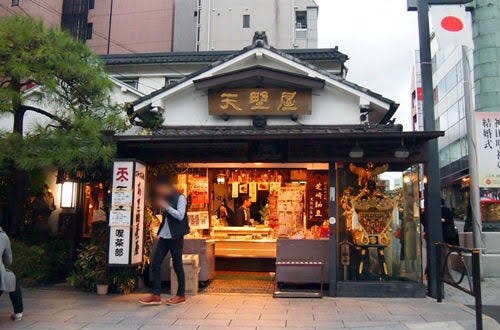
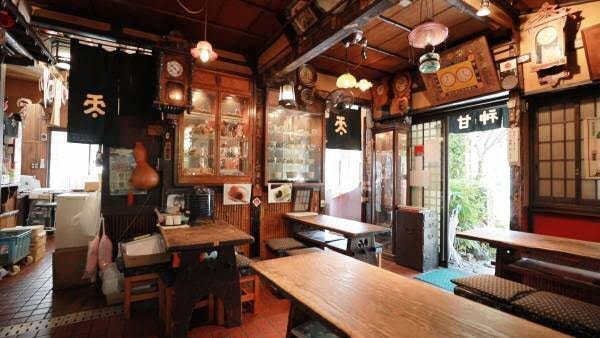
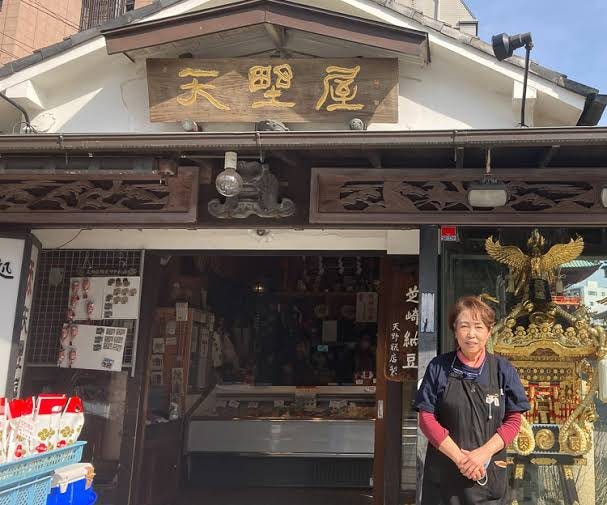
In 1846 a young samurai teacher from Kyoto was residing in Tokyo, when he was assassinated. To avenge his death, his older brother, Amano Shinsuke, traveled incognito to Tokyo, and developed a plan to hang out next to the highway, thinking that he would surely be able to catch the killer there: everyone who traveled to or from Tokyo was bound to pass at that point. In order to observe the travelers he started a small shop making and selling sweet sake (amazake).
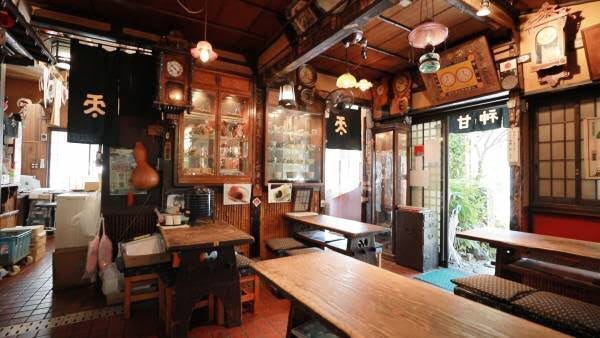
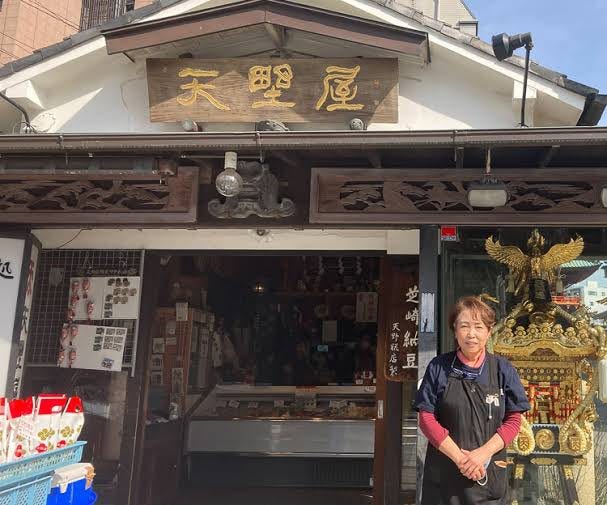
He never ever found the man who killed his kid brother, but the shop is still there, now run by the 7th generation of incognito samurai. source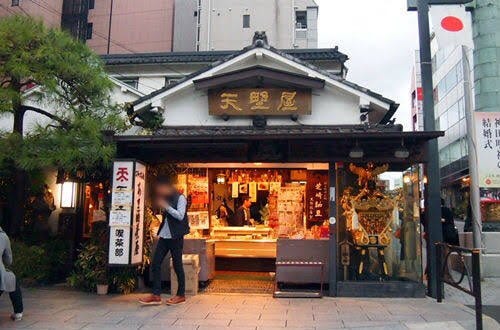
Thanks for reading After the Rush — a series about slowing down, sparking creativity, and finding inspiration beyond work.
I’m a big fan of leaving room in your life for serendipity, these moments lead to some of my best memories.
Really loved this read.